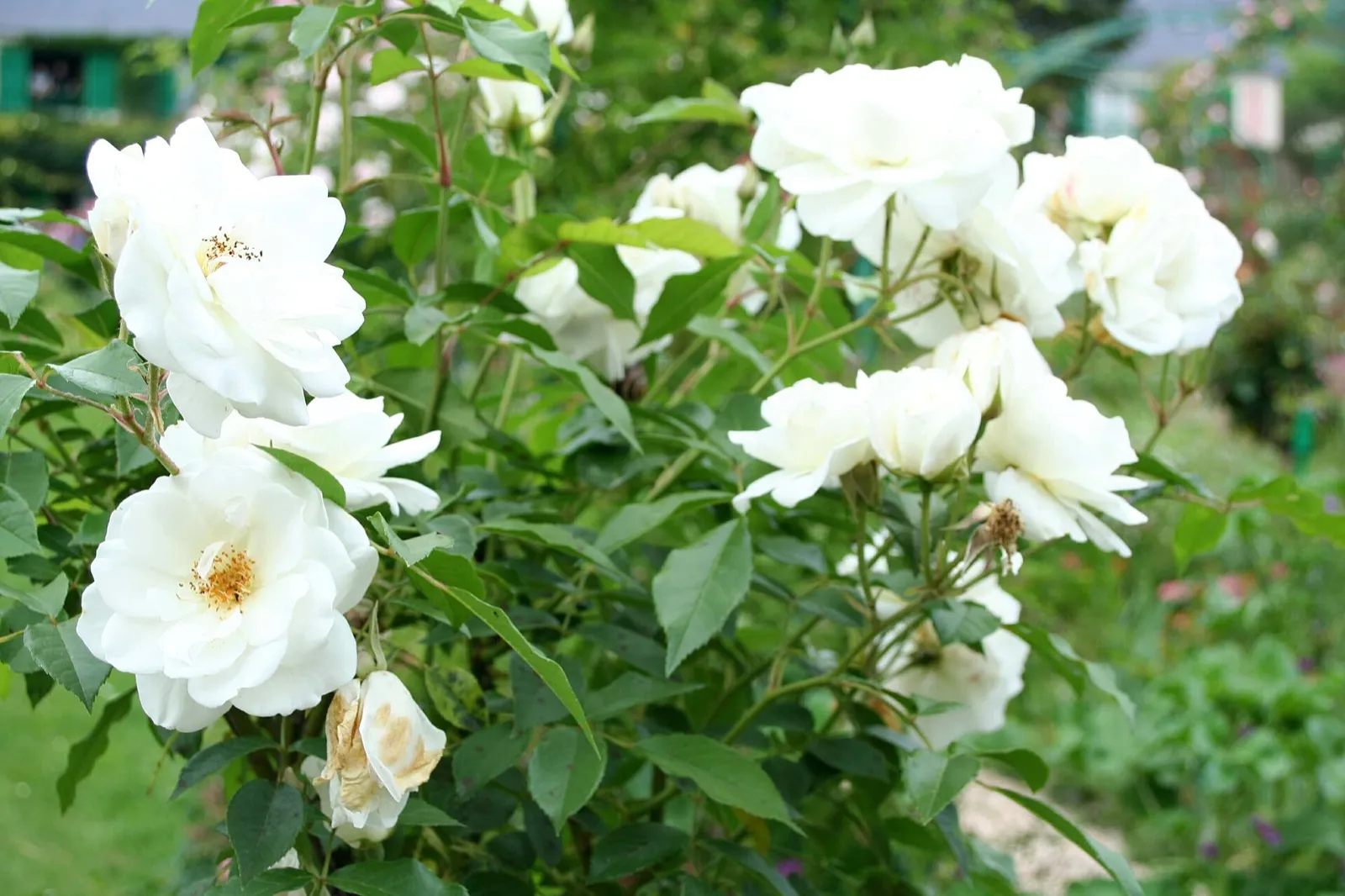
Rose
Rosa spp.
Also known as: Rose bush
The classic flowering shrub of the garden. It needs at least six hours of sun, good air circulation and pruning every winter.
- Type
- Shrub
- Where
- Outdoor
- Light
- Sun · Part shade
- Water
- Moderate water
- Cold
- Withstands winter cold; if there are late frosts, delay pruning
Where to plant it
Where it gets direct sun for at least six hours a day, with good air circulation, which helps prevent disease. It needs soil with good drainage: overwatering and soils that get waterlogged encourage root diseases.
Watering
Water deeply and let the soil partly dry out between waterings; there’s no need to water every day. Do it in the morning, ideally with drip irrigation and without wetting the leaves. Lack of water makes it lose leaves, and too much rots the roots. A mulch of bark or similar helps keep the moisture in.
Pruning
In winter, before the buds swell. Start by removing diseased or damaged wood, then cut back by between a third and two thirds, cutting just above an outward-facing bud. On large-flowered roses, leave three to five branches in a vase shape. Shrub roses can be left freer and renewed every two or three years by removing the old branches. During the season, deadheading helps it flower again.
Feeding
In spring and, if needed, in early autumn, especially if you see it’s growing little or the lower leaves are turning yellow. Without overdoing it: too much nitrogen gives lots of leaves and fewer flowers.
In our climate
If late spring frosts are common in your area, delay the pruning a little. Clearing up fallen leaves and pruning debris helps break the cycle of diseases. If you prefer, we can take care of the winter pruning.
Common problems
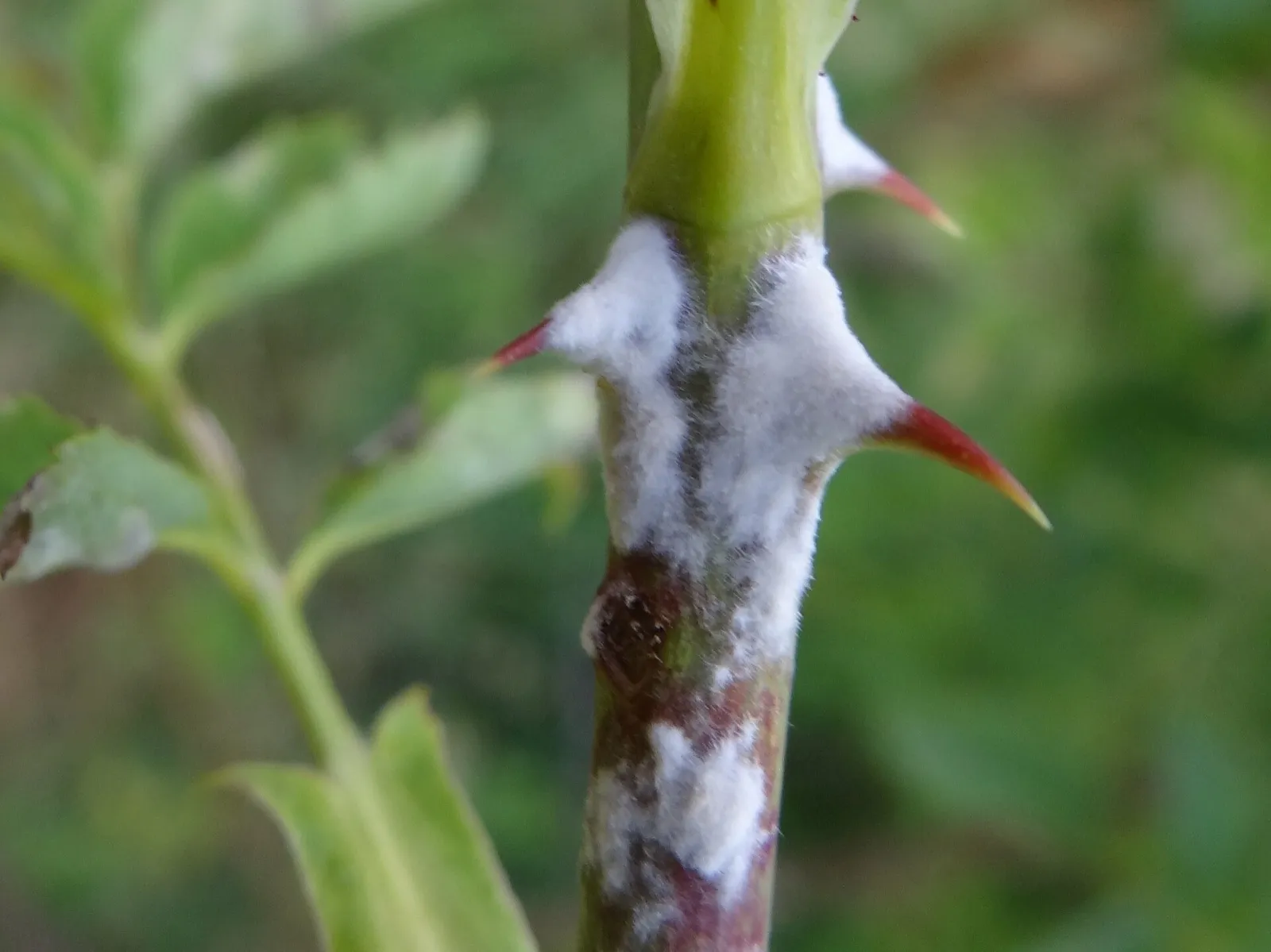
Powdery mildew
Podosphaera pannosa
How to spot it
Whitish, powdery patches on young leaves, tender shoots and flower buds, often at the base of the thorns. The leaves become distorted, curl and drop early.
What to do
It's a fungus that doesn't need rain to spread; it's favoured by cool, damp nights followed by milder, drier days. A rose in the sun with good air circulation suffers less from it. During winter pruning, clear away leaves and debris from the ground. If it appears every year, ask us about an approved treatment; some varieties resist it better.
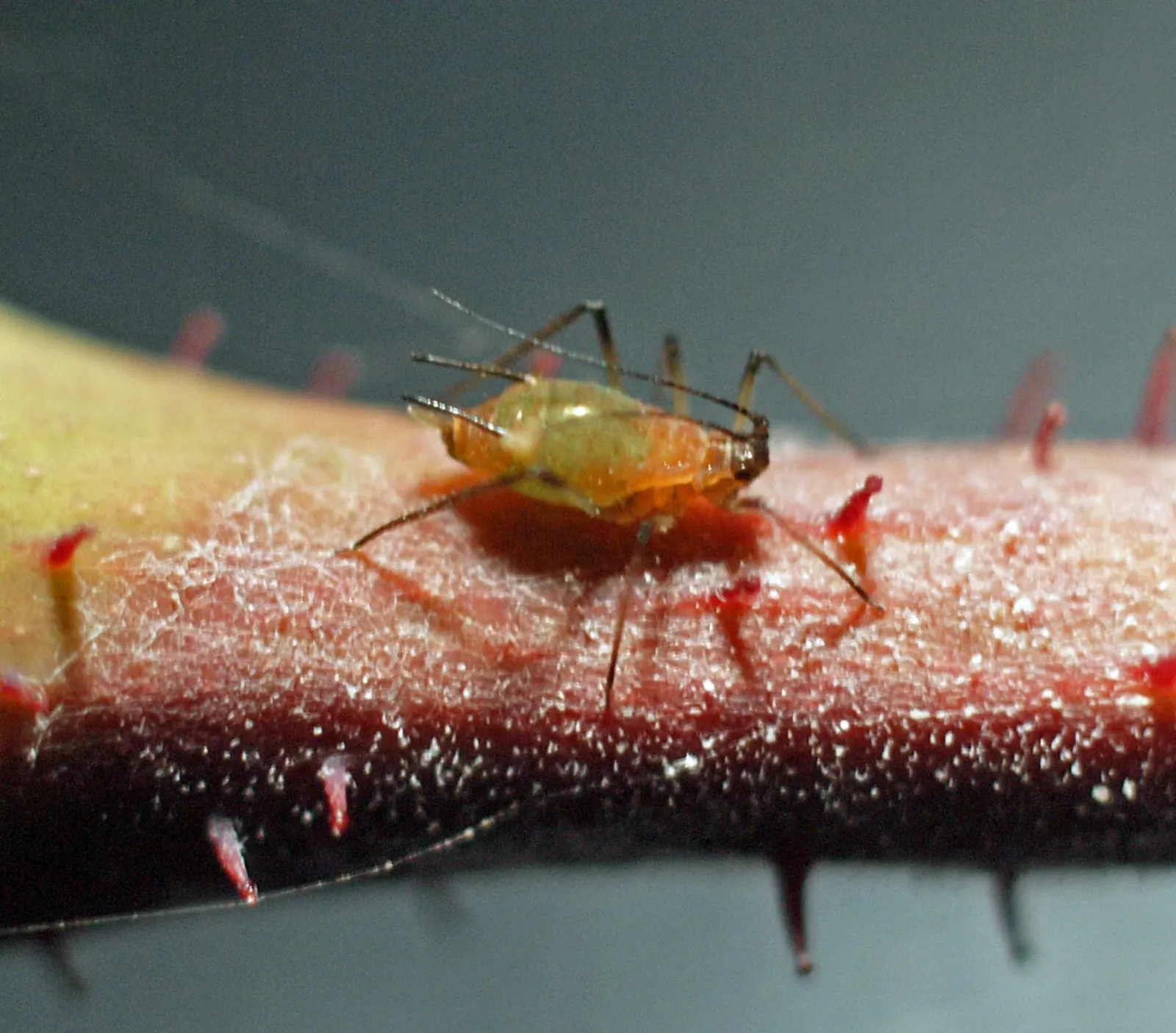
Rose aphid
Macrosiphum rosae
How to spot it
Colonies of small, soft insects on the tender shoots and buds, especially in spring. If there are many, they release a sticky honeydew on which sooty mould grows, and they can distort the buds and leave smaller flowers.
What to do
A few aphids do hardly any harm, and they usually decline with the summer heat. Ladybirds, hoverflies and tiny parasitoid wasps control them; keep ants in check, as they protect them. A strong jet of water first thing in the morning knocks them off. If the colony is large, ask us.