At Christmas, plants spend a few weeks indoors, with the heating on and not much light. With a little simple care they’ll still look good at Epiphany, and some will keep going for years.
Poinsettia
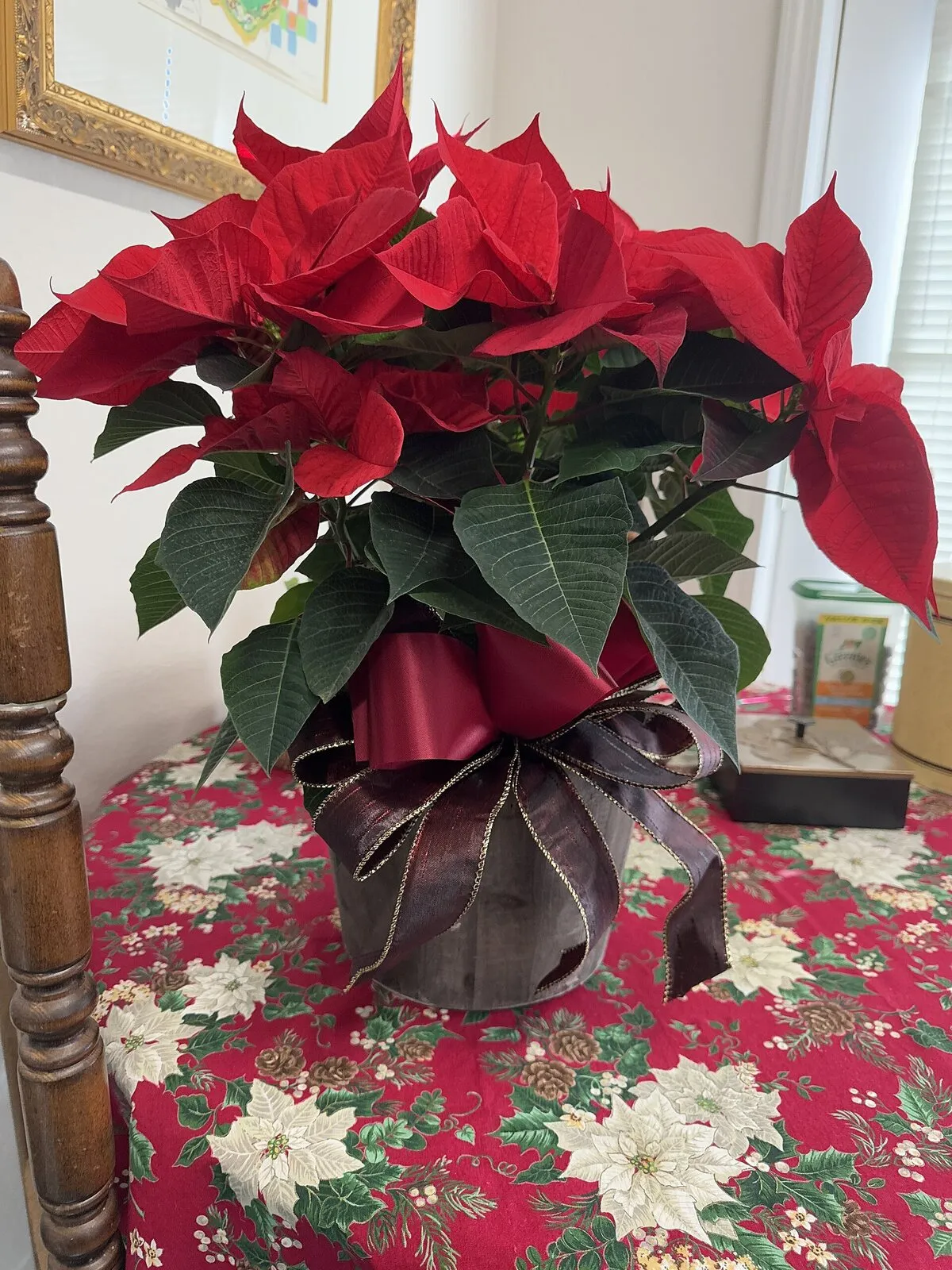
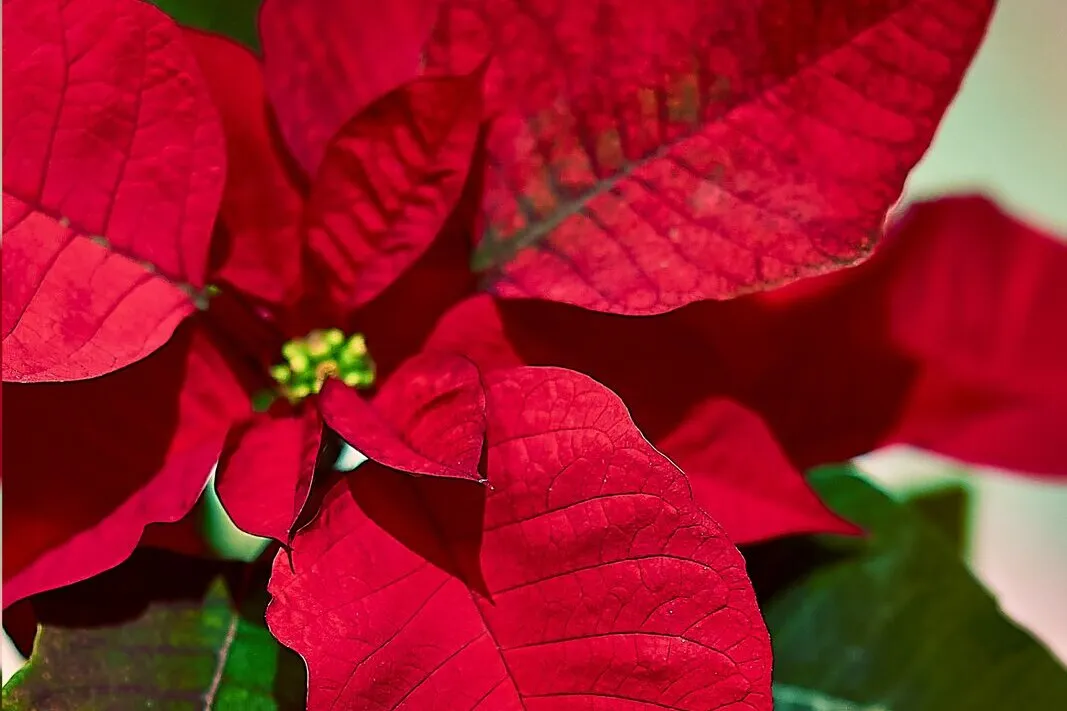
The red parts aren’t flowers but coloured leaves. The flowers are the little yellow beads in the middle: if they’re still closed when you buy it, the plant will last longer.
- Light. Plenty of light, but no direct sun in the hottest hours. A spot by a bright window is ideal.
- Temperature. It likes 15 to 22 °C. Keep it away from radiators, fireplaces and doors that open onto the street: dry heat and draughts make it drop its leaves.
- Watering. When the top of the soil is dry, water it and empty the saucer after 15 minutes. Overwatering is the most common reason it goes downhill.
After the holidays it can carry on as a foliage plant. Getting it to turn red again the following year is hard at home, because in autumn it needs many hours of complete darkness every night.
Christmas cactus
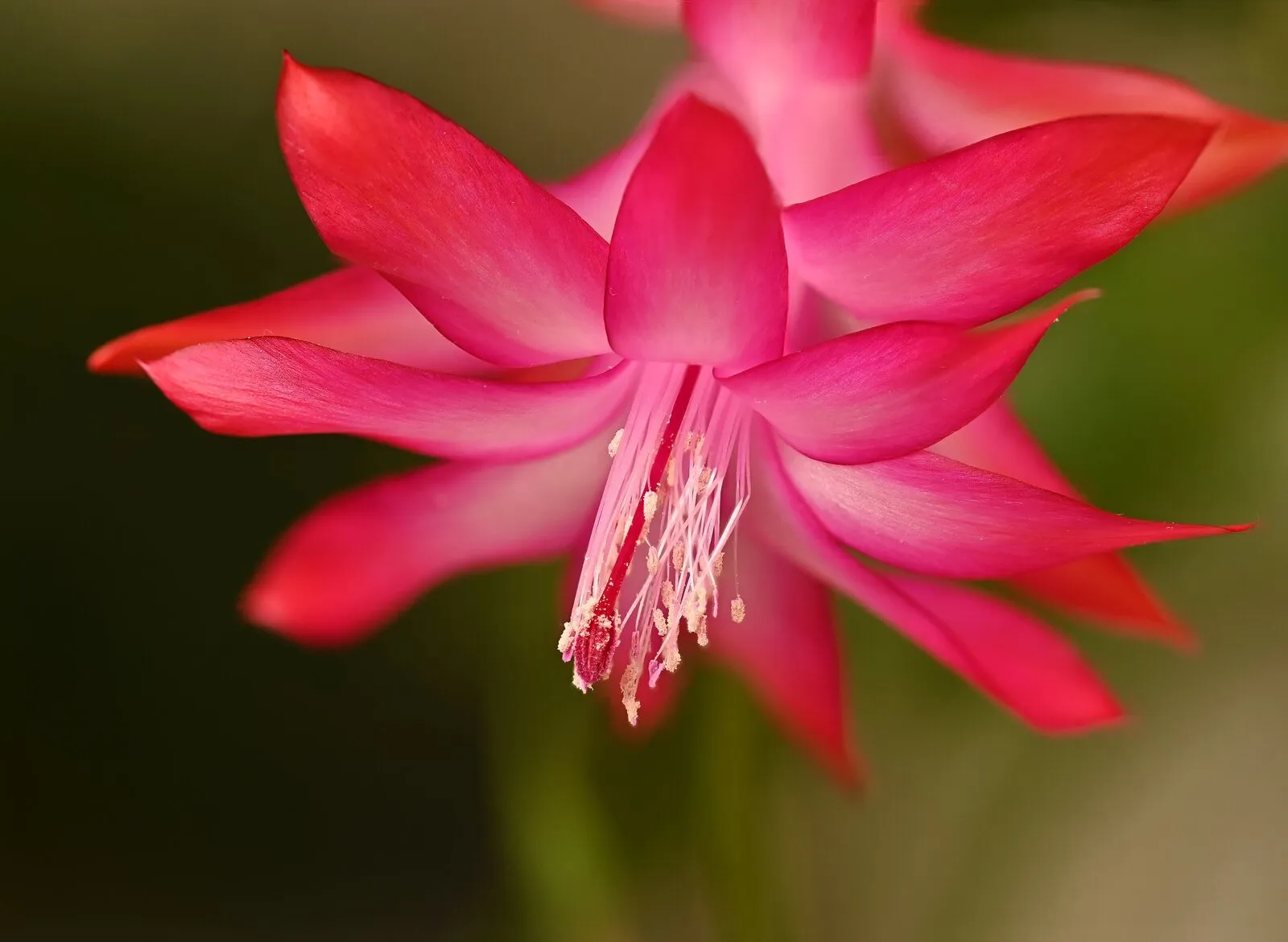
It’s one of the most rewarding Christmas plants: it lasts for years and flowers again every winter.
- Light. Plenty of light, but no direct sun.
- Watering. Moderate. Let the soil dry out a little between waterings.
- Don’t move it while it’s in bud. Changes of position and light make the buds drop before they open.
Amaryllis
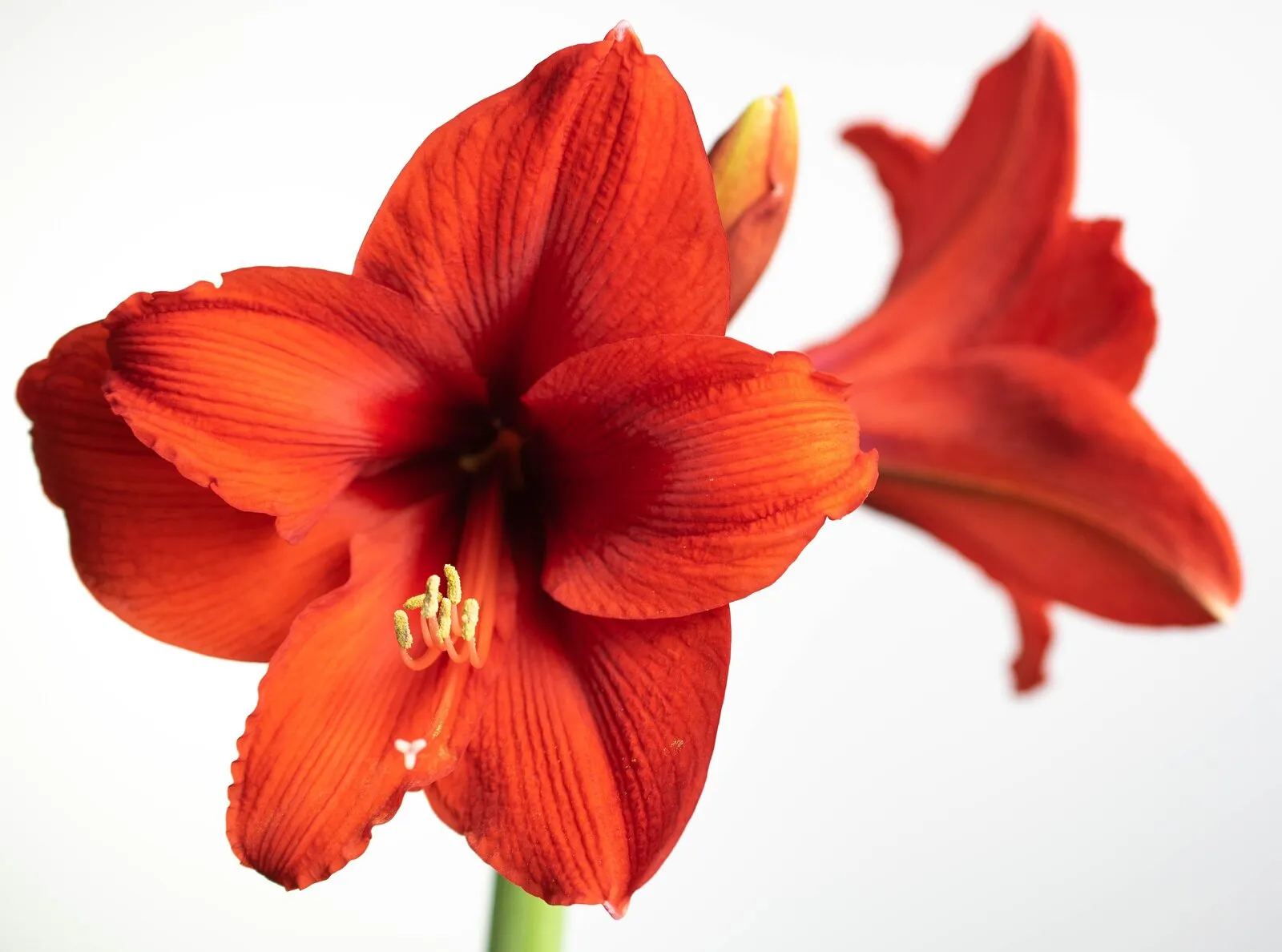
Amaryllis grows from a large bulb and produces several flowers on a tall stalk.
- Light. The more light it gets, the straighter the stalk grows. Turn the pot every few days so it doesn’t lean.
- Watering. Moderate, without wetting the bulb or waterlogging the soil.
- After flowering. Cut off the dead stalk but leave the leaves: they feed the bulb so it can flower again.
Potted fir
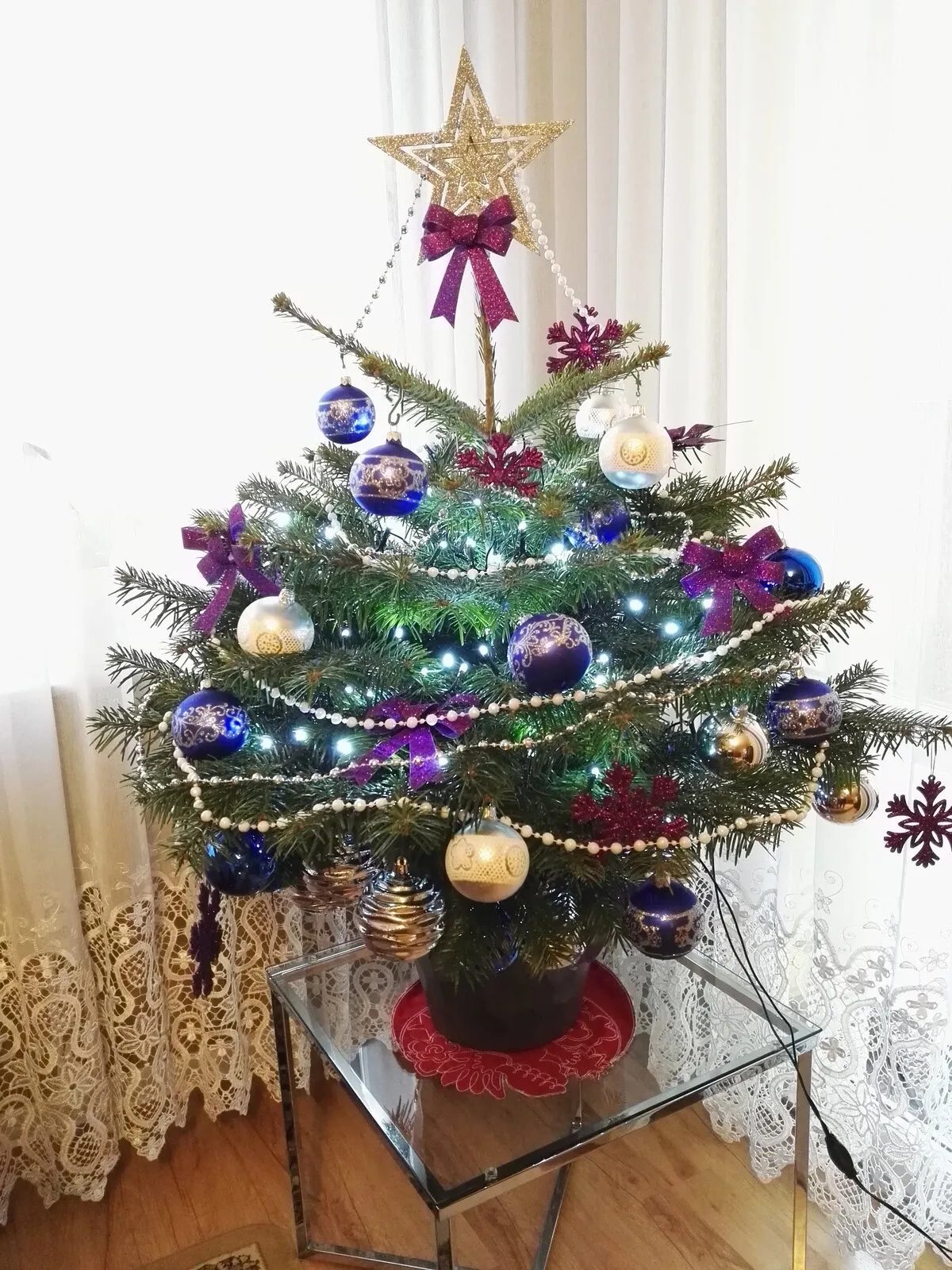
A potted fir is a living tree. To get it through the holidays unharmed:
- As little time indoors as possible. Bring it in a few days before Christmas and take it out again as soon as the holidays are over.
- Away from the heating, in the coolest, brightest spot in the house.
- Keep the soil moist. Water when the surface starts to dry out, without leaving water in the saucer.
- Lights that don’t get hot. Use LED lights.
- Gradually. If it’s very cold outside, leave it for a few days somewhere in between, such as a porch or a garage with some light, before moving it fully outdoors.
After Christmas
Firs are trees of cold, damp climates, and summers in the area are hard on them. The safest option is to keep it in a large pot, in a shady corner, with regular watering in summer. If you’d like to plant it, choose the coolest spot in the garden and bear in mind that over the years it can grow into a very large tree.
If you’re looking for a garden tree that can also serve as a Christmas tree, ask us: some species cope much better with our climate.
If you have dogs or cats
Poinsettias and amaryllis are toxic to dogs and cats if they chew them. Poinsettias usually cause only mild discomfort (ASPCA, poinsettia; ASPCA, amaryllis). The Christmas cactus is not toxic (ASPCA).
Photographs
- Red poinsettia: George E. Koronaios, CC BY-SA 2.0, via Wikimedia Commons.
- Poinsettia indoors: Missvain, CC0, via Wikimedia Commons.
- Christmas cactus: Krzysztof Ziarnek, Kenraiz, CC BY 4.0, via Wikimedia Commons.
- Amaryllis: ricardopresto, CC BY-SA 4.0, via Wikimedia Commons.
- Decorated potted fir: old_s, CC0, via Wikimedia Commons.
_in_Athens_on_12-6-2023.jpg)


