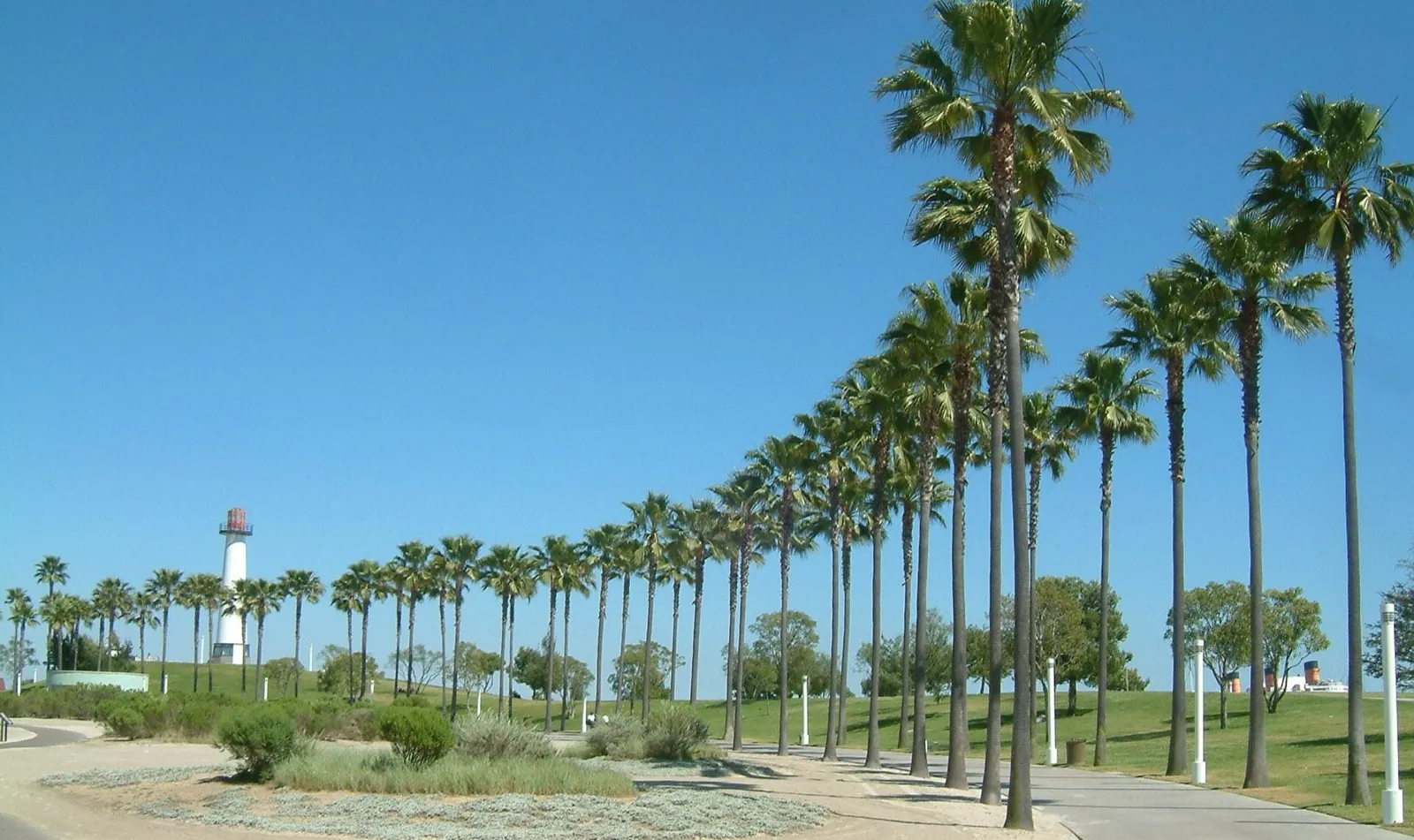
Washingtonia
Washingtonia robusta
Also known as: Mexican fan palm, Washington palm
The tall, slender fan palm seen in so many streets and parks. It grows fast and needs sun and soil with good drainage.
- Type
- Palm
- Where
- Outdoor
- Light
- Sun
- Water
- Moderate water
- Cold
- Tolerates light frost
Which one it is
There are two washingtonias: robusta and filifera. This profile covers robusta, which is the one most often planted around here. Among the street and park trees of the city of València, for example, there are about 7,500 robustas and fewer than 700 filiferas.
Where to plant it
In full sun and in soil that drains well; otherwise, it adapts to many types of soil. Bear its size in mind: it grows fast and over the years can exceed 20 metres in height, so it needs space.
Watering
It isn’t as drought-resistant as it seems: in its native habitat it grows near permanent water. In summer don’t leave it without watering, but don’t waterlog it either, because it needs good drainage.
Pruning
While it’s young, the dead leaves stay hanging from the trunk. Once the palm reaches about 9 metres, it usually sheds them on its own. When removing dead leaves, avoid injuring the trunk, because wounds are the way in for some diseases. On tall palms this is work at height: we take care of it.
Feeding
If you feed it, use a slow-release palm fertiliser with potassium and magnesium. A potassium deficiency takes years to correct.
In our climate
It tolerates light frost, although in hard cold the leaves can be damaged.
Common problems
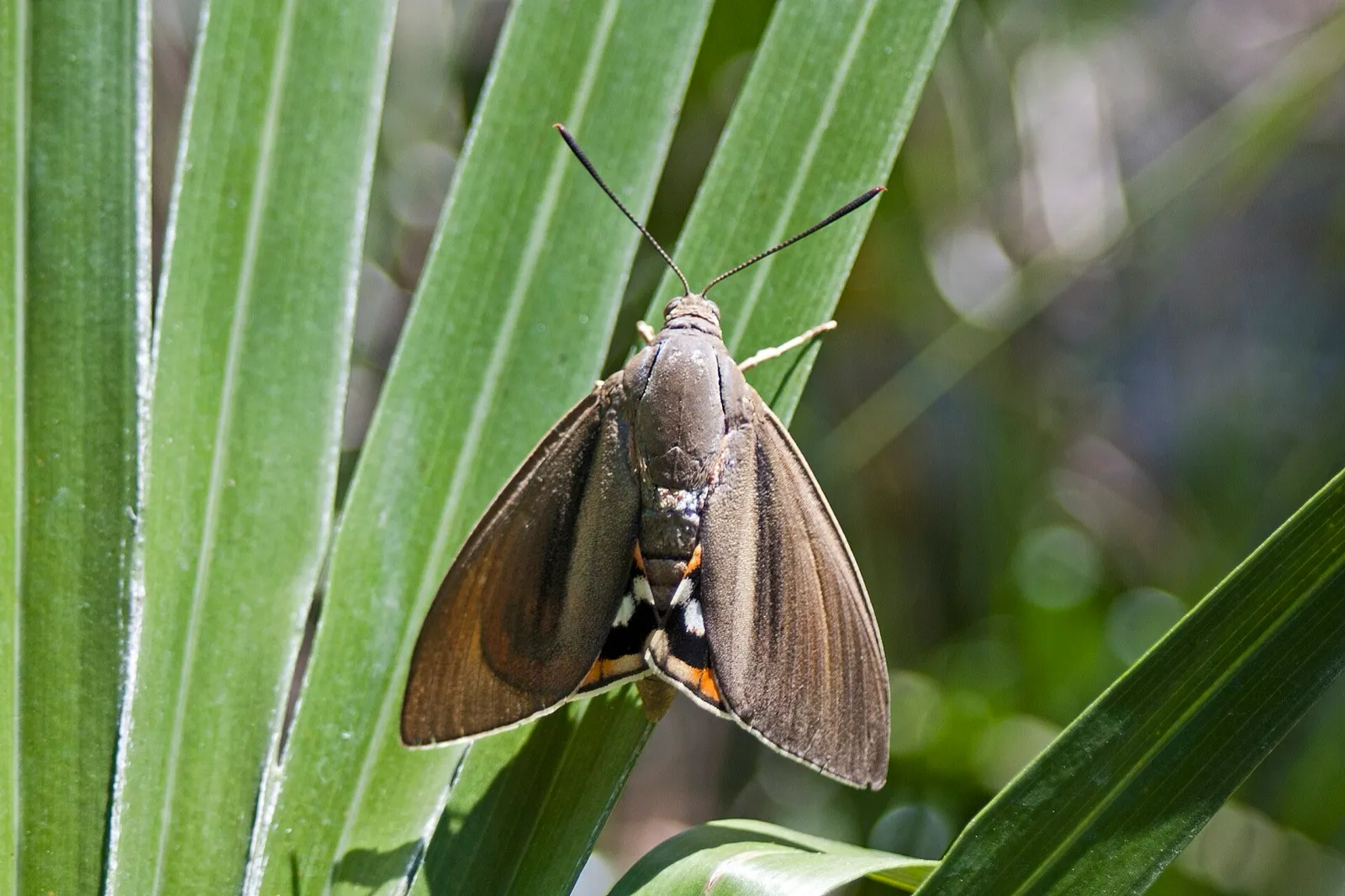
Paysandisia (palm borer moth)
Paysandisia archon
How to spot it
Young leaves that, when they open, show fan-shaped holes. The leaves in the centre turn yellow and wilt, and sawdust and fibres mixed with a sugary liquid appear at the entrance to the tunnels. Over time the whole palm weakens.
What to do
It's the caterpillar of a large moth that lives inside the palm, which is why treatments struggle to reach it. Check the crown regularly and, if you see these symptoms, ask us about an approved treatment.