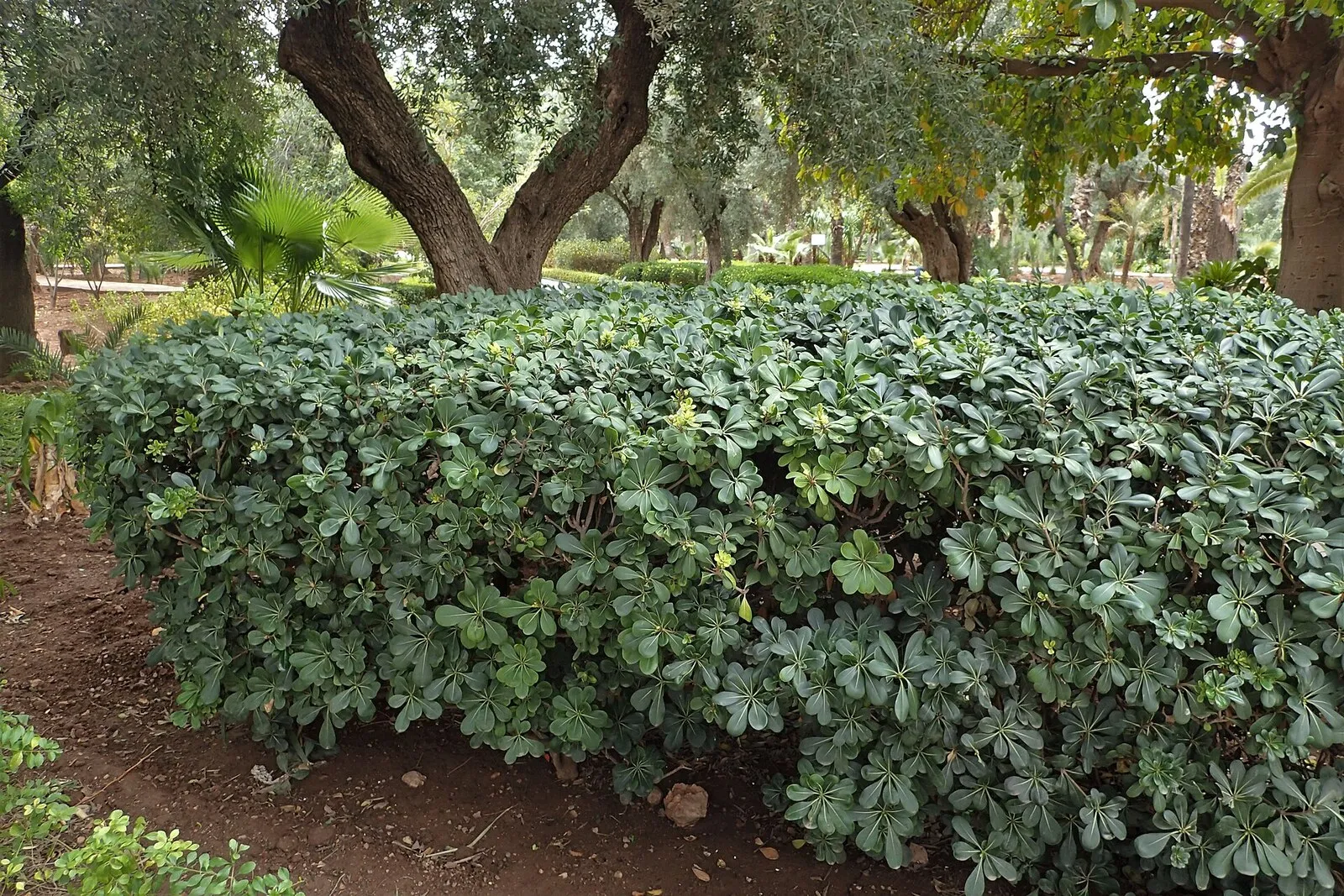
Pittosporum
Pittosporum tobira
Also known as: Japanese pittosporum, Japanese mock orange
Evergreen shrub with white flowers that smell of orange blossom in spring. It takes pruning very well, which is why it's so common in hedges.
- Type
- Shrub
- Where
- Outdoor
- Light
- Sun · Part shade
- Water
- Moderate water
- Cold
- Withstands moderate frost
Where to plant it
It adapts to almost anything: sun, part shade and even shade, although it does best in part shade. It accepts clay and chalky soils, but doesn’t cope well with waterlogging. It works as a hedge, as a standalone shrub or, well trained, as a small tree with a compact crown in narrow spaces. For a hedge, leave about a metre and a half between plants.
Watering
It withstands some drought, but appreciates watering in summer. The idea is for the soil to stay slightly moist, never waterlogged.
Pruning
It takes pruning very well, even hard pruning. As a hedge it’s trimmed in late spring and again in summer. Bear in mind that next year’s flowers come on old wood: if you care about the flowering, prune just after it finishes.
Feeding
A little is enough. Too much fertiliser, especially nitrogen, leads to overly vigorous growth and makes the plant more susceptible to disease. Match the amount to what it really needs.
In our climate
It’s the most widely grown pittosporum in Spain. It copes with the heat and the chalky soils of the area, so it works well in garden and patio hedges. If you don’t have time to trim the hedge, we can take care of the pruning and maintenance.
Common problems
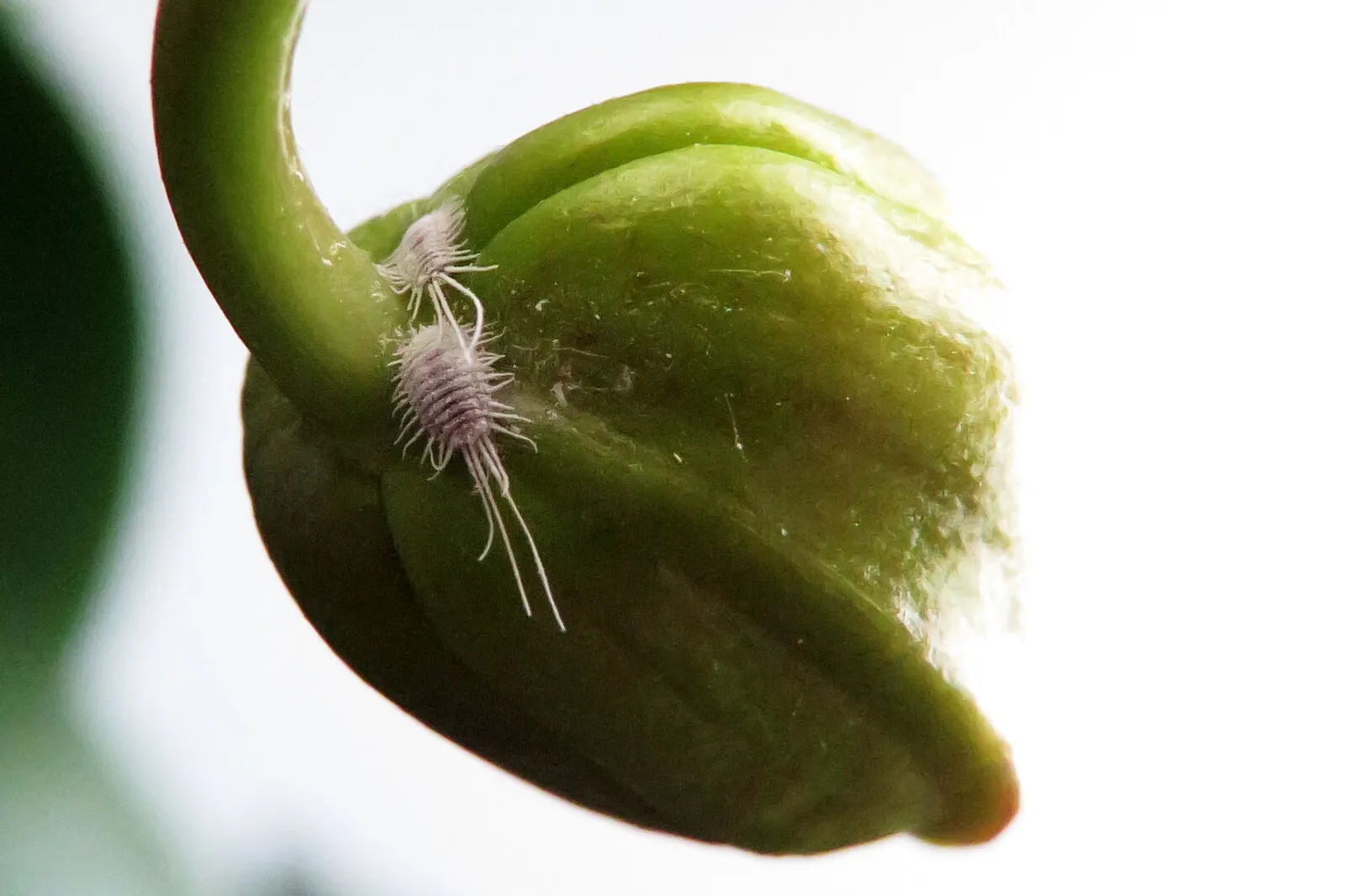
Long-tailed mealybug
Pseudococcus longispinus
How to spot it
Small insects covered in white wax, with long filaments at the back, on leaves and stems. They release sticky honeydew on which sooty mould grows, a black powder that spoils the look of the plant. If the attack is heavy, the plant declines and some parts dry out.
What to do
Check leaves and stems every so often. It has natural enemies, such as a predatory ladybird and tiny parasitoid wasps, which are worth protecting. If the infestation is heavy, ask us about an approved treatment.