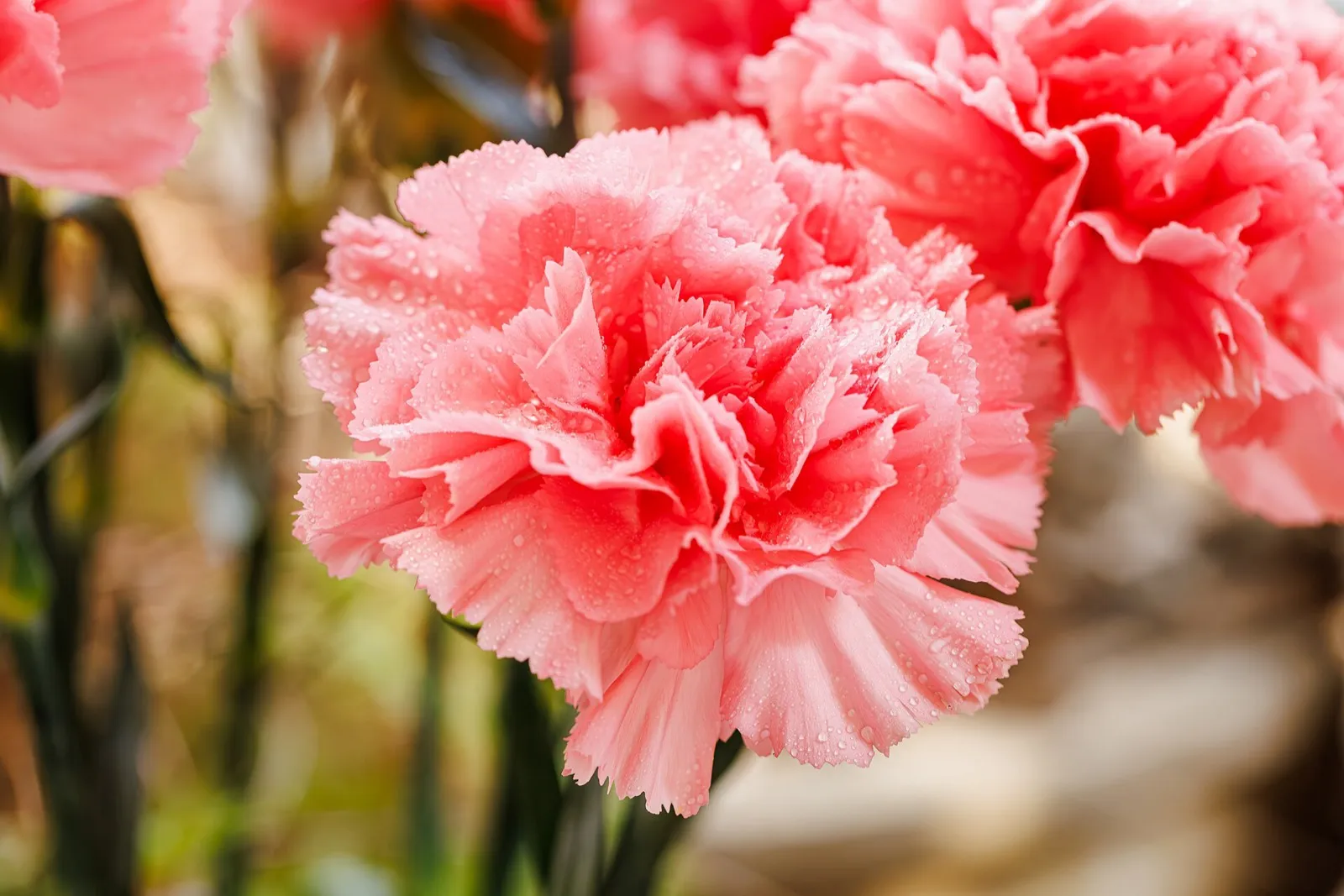
Carnation
Dianthus caryophyllus
Also known as: Clove pink
The classic flower of balconies and gardens. It needs sun, soil that drains well and its spent flowers removing so it keeps on flowering.
- Type
- Perennial
- Where
- Outdoor
- Light
- Sun
- Water
- Moderate water
- Cold
- Withstands cold; winter damp does it more harm
Where to plant it
In full sun, in soil that drains well. It prefers neutral or slightly chalky soils. What it can’t stand is waterlogging: if the soil holds a lot of water, grow it in a pot or a raised bed.
Watering
After planting, give it a good watering. In the ground, once established, it only needs water during long spells without rain. In a pot it’s a different story: in hot weather it may need watering every day. Either way, without leaving standing water.
Pruning
Cut spent flowers back to a bud or a side shoot: the plant looks tidier and produces more flowers. If you pinch out the tips of young stems, it branches more. Tall-stemmed, large-flowered carnations usually need a stake so they don’t bend over. And if you want bigger flowers, remove some of the buds on each stem.
Feeding
In the ground it hardly ever needs it. In a pot it does appreciate it: a liquid fertiliser during the growing season.
In our climate
Mild summers suit it better than strong heat, so in the height of summer it may suffer. In winter, damp does it more harm than cold. To get new plants, take cuttings from shoots that haven’t flowered.
Common problems
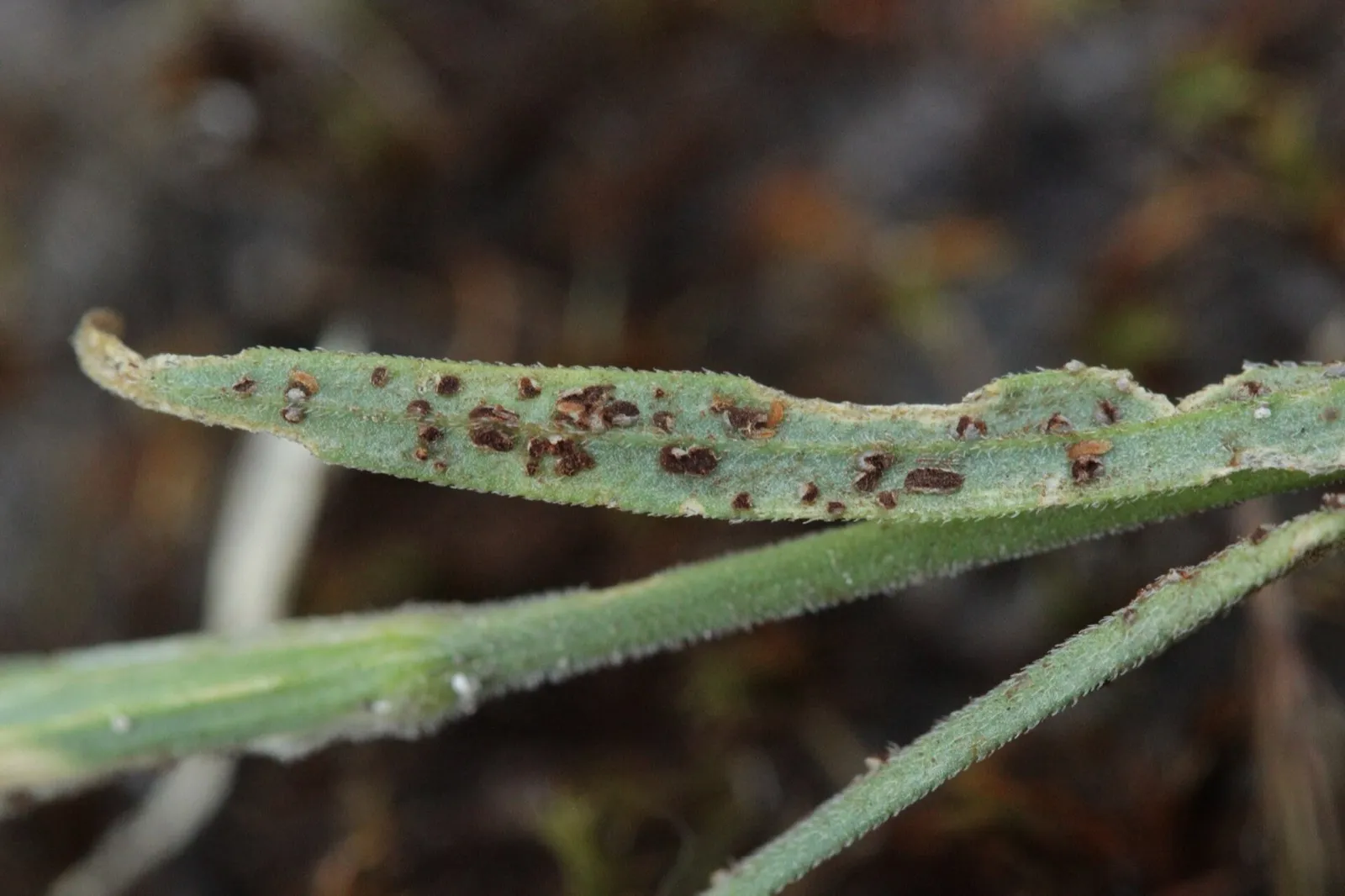
Carnation rust
Uromyces dianthi
How to spot it
Small brown pustules on the leaves.
What to do
It's a fungus. Keep an eye on the plants to spot it early and, if it appears every season, ask us about an approved treatment.
Stem rot
How to spot it
The base of the stem, at soil level, rots and the plant wilts.
What to do
It appears when the soil stays waterlogged, especially in winter. Plant it in soil that drains well and, if your garden gets waterlogged, it's better in a pot or a raised bed.