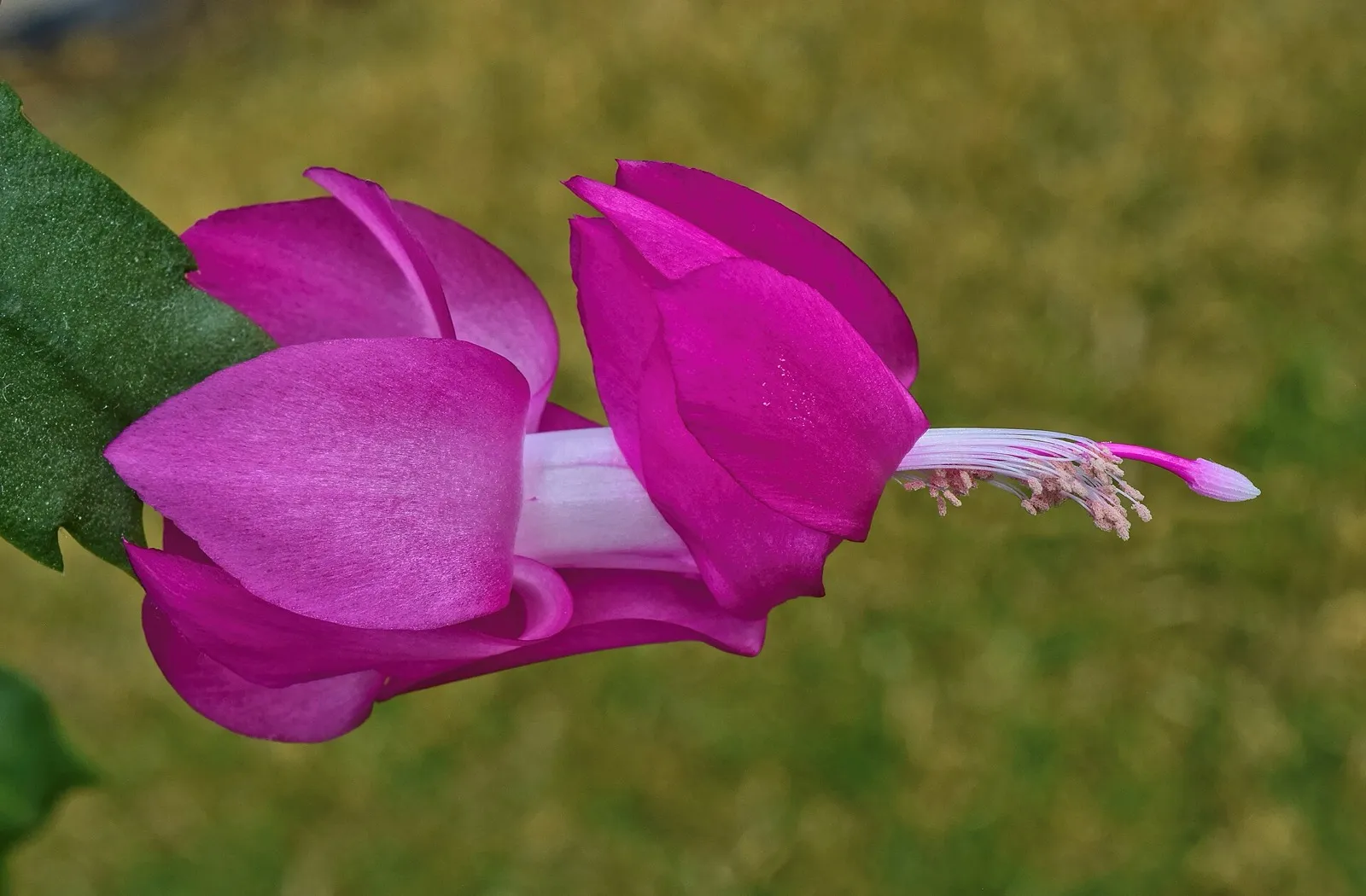
Christmas cactus
Schlumbergera
A tropical cactus, not a desert one. It flowers every winter, lasts for many years and needs light without direct sun and moderate watering.
- Type
- Seasonal flower
- Where
- Indoor
- Light
- Part shade
- Water
- Moderate water
- Cold
- Doesn't withstand cold
Where to put it
With plenty of light, but indirect, for example in an east-facing window. Strong midday sun scorches its stems. In summer it can go outside to a warm, sheltered, shady corner, but watch out for snails and slugs and bring it back indoors before the weather turns cool.
Watering
From April to September, moist soil but never waterlogged. In autumn and after flowering, let the top few centimetres dry out between waterings, without letting it dry out completely, and go back to normal watering when the buds appear. It likes humidity: stand the pot on a tray of wet gravel.
Care
To flower, it needs a cooler, drier spell in autumn, with short days: a lamp left on nearby at night can stop it. When it has buds, don’t move it.
After flowering, remove a few segments from the tips so it branches out: the flowers appear at the tips, and those pieces can be used as cuttings. Repot it at the end of March every one or two years, without going too big.
Feeding
A liquid houseplant fertiliser from April to the end of September.
At home
Well looked after, it lasts for many years. Keep it away from radiators and draughts. It isn’t toxic to dogs or cats.
Common problems
Bud drop
How to spot it
The buds drop before they open.
What to do
It's usually caused by changes in temperature, with too much heat by day and cold at night, by cold draughts or by overwatering. When it has buds, leave it alone in a spot without draughts.
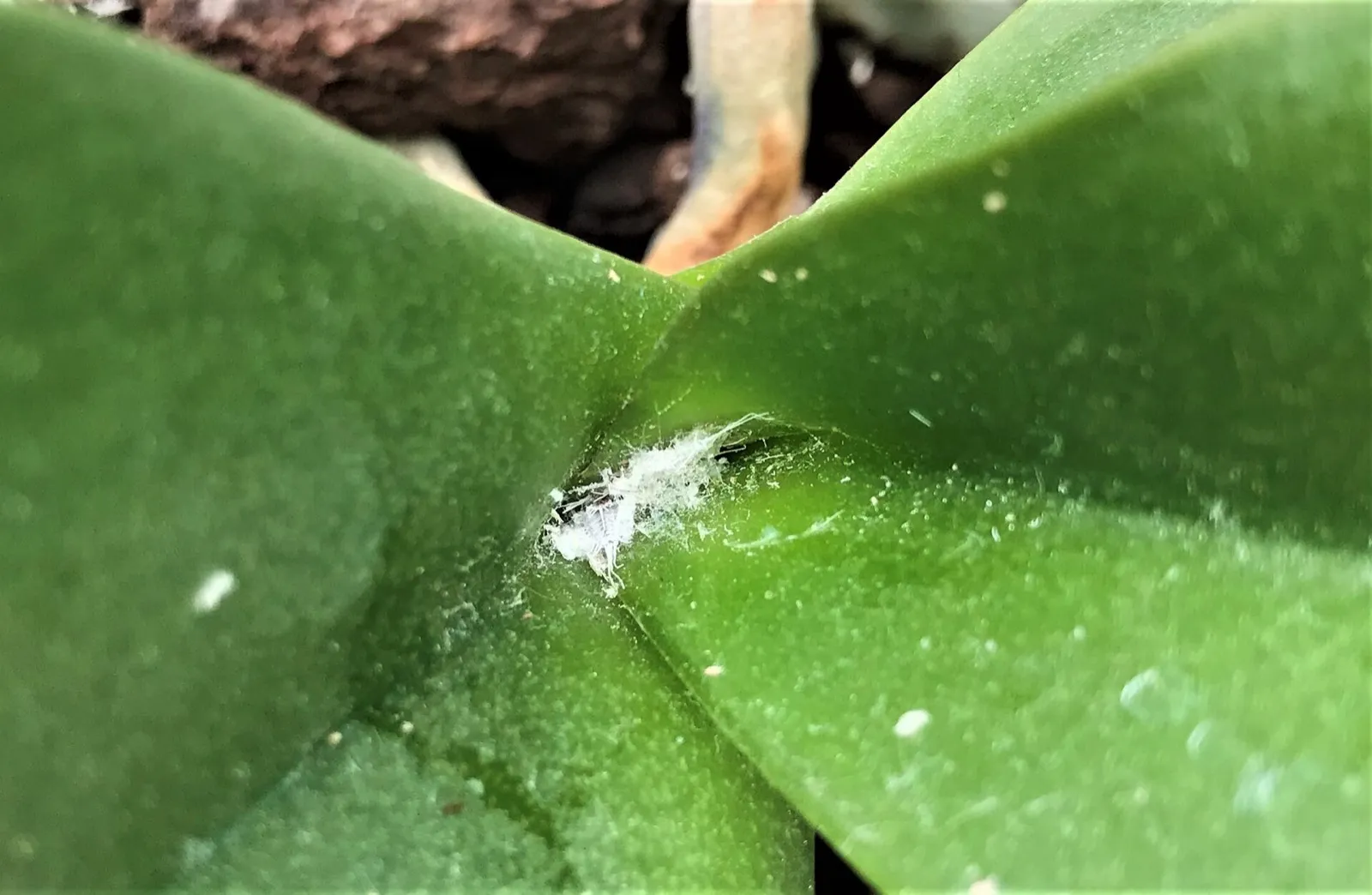
Mealybug
How to spot it
Little balls of white, cotton-like wax in the joints of the stems. The insects and their eggs are underneath. When there are lots of them, the plant becomes sticky, sooty mould appears and it grows less.
What to do
Check any new plant carefully before putting it next to the others. Remove dry leaves and debris from around the pot. If the plant is badly affected, sometimes it's simpler to throw it away. If you're not sure, ask us.